All
/
WINE
How long does your wine last once opened?
31.05.23
•6 min read
31.05.23
•6 min read

Whenever you open a fresh bottle of wine, there is always a chance you’ll be left with it half-full when your evening draws to a close. Most people know that wine doesn’t last very long once the cork has been pulled out, but how long exactly? If you’re someone who hates the idea of pouring wine down the sink, it’s a good idea to find out.
Wine deteriorates when exposed to oxygen – a process called oxidation – starting when the cork’s airtight seal is broken. This chemical reaction alters the wine’s compounds, changing its flavour, aroma and colour. UV rays also contribute by breaking the wine, making dark storage crucial. But certain wines are more susceptible than others, depending on factors like alcohol content, acidity and tannins, which act as natural preservers.
It's good to remember that oxidation creates a gradual decline, so a wine’s lifespan can be subjective. A sensitive palate might notice changes sooner than a less discerning one. You can also employ tactics to slow the process down by minimising oxygen exposure.
Air is the main culprit, but it has accomplices. Think of air, light and heat as wine's three enemies: almost every tip in this guide comes down to keeping one of them away.
Your nose is the best judge. Wine past its best usually gives itself away in one of a few ways.
The fruit fades first, leaving the wine flat and muted. Then come nutty, bruised-apple notes, the calling card of oxidation. The colour shifts too, with the wine looking tired and, in time, taking on a brownish hue. A sharp, vinegary smell is a different problem: acetic acid bacteria turning alcohol into acetic acid, the same compound that gives vinegar its bite.
The good news is that none of this is harmful. Wine that has turned is on its way to becoming vinegar, so it's disappointing rather than dangerous.
As a general rule, red wine can around 4 days if it’s stored correctly. The two most helpful things you can do to extend the life of your open bottle are to seal the wine and to store it in the fridge. Exactly how long it lasts then depends on the type of red wine you’re drinking.
Richer red wines with more tannins and acidity like Syrah, Cabernet Sauvignon, Merlot, Malbec or Shiraz could last around 4 days. This is because the tannins – bitter compounds from the grape skins, seeds, stems and wood barrels – are more protected against oxygen. Lighter reds with less tannins, such as Pinot Noir or Grenache, have a life span of closer to 2 days in the fridge.
The lifespan of white wine is also dependent upon the type of wine it is, although with different criteria to red wines. Lighter, crisper whites tend to last longer than their full-bodied counterparts. If you use a cork or wine stopper, and store the bottle upright in the fridge, some white wines can last longer than others. Here is a breakdown to give you the full picture.
Light white wines like Pinot Grigio and Sauvignon Blanc – and most rosé wines too – can be stored in the fridge for up to 3 days on average, if they’ve been re-corked. But be warned, there will be changes in the taste of the wine after the first day due to oxidation. If not sealed properly, the overall fruitiness of the wine will also gradually diminish, making the wine still drinkable, but less vibrant after a couple of days.
Full-bodied white wines, like oaked Chardonnay and Viognier, oxidise more quickly than lighter wines. This is because they're exposed to more oxygen during the pre-bottling ageing process, giving the oxidation a head start. The taste change in full bodied wines is also more significant as the creamy, more aromatic, flavours become quite flat after one to two days.

As with red wine, the flavour of white wine will be preserved for longer if it is stored in the fridge. This is because the main cause of wine deterioration is oxidation, and this process is slower in colder temperatures. You can help decelerate the wine's decline further by re-corking the bottle (or using a wine seal) and storing it upright in the fridge door.
To work out how long a bottle of white wine with a screw top lasts, you first need to know what type of wine it is, because this has a greater influence on its longevity than anything else. But if you're comparing like-for-like wines, a screw top bottle (with the lid replaced) will outlast a re-corked bottle because it's more effective at keeping air out, and so reduces the speed of oxidation.
Sparkling wines such as Champagne, Prosecco, Cava and Cremant may not be eto's speciality, but if you use a specific sparkling wine stopper and store in the fridge it can retain its flavour for a day or two. Without a stopper, sparkling wine will become flat quite quickly - just like any carbonated drink.
Also known as dessert wine, fortified wine can last for a few weeks after being opened, with a general rule that the sweeter the wine – like Port, Sherry and Marsala – the longer you can expect it to last. If these wines are stored in a cool, dark place (below (70F | 21C) with the bottle re-corked, their quality can remain intact for around 28 days. This is because these wines have already been oxidised as part of the fortification process, and so further exposure doesn’t have the same impact. But UV rays can still damage the wine, which is why it’s important to store your fortified wine away from heat and sunlight.
That said, the styles behave quite differently. Ruby and reserve Port will last a few weeks, and tawny Port can stay good for up to six weeks in the fridge. Vintage Port is the exception: treat it more like a red wine and finish it within a few days. Madeira and Marsala are the true survivors, lasting months once opened, thanks to their long exposure to oxygen during winemaking and their high acidity.
Natural and organic wines vary more than most. Wines made with little or no added sulphites tend to be the most fragile once opened, because sulphites act as a preservative, and organic or sulphite-free wines lack that protection. On average, aim to finish organic red and white wines within two to three days.
The two terms aren't interchangeable, either. "Organic" describes how the grapes are grown, while "natural" usually means minimal intervention in the winery, often with few or no additions. Organic wine can still contain added sulphites; many natural wines don't. For a delicate, low-sulphite bottle, a sealed decanter is a very good friend.
A decanter can do two very different jobs: opening a wine up before you serve it, and keeping it afterwards. A traditional decanter is built for the first. Its wide base spreads the wine out so more of it meets the air, letting the aromas open up over an hour or two. Wonderful before dinner; less so the next morning.
So how long can wine stay in a decanter? In an open decanter, plan to drink it the same evening. With the top covered, most wines will still be pleasant the next day, but after that the decline speeds up. The same shape that helps wine breathe leaves a large surface exposed to the air above it, and the more wine you pour, the more air fills the space left behind. At some point the wine tips from oxygenated to oxidised.
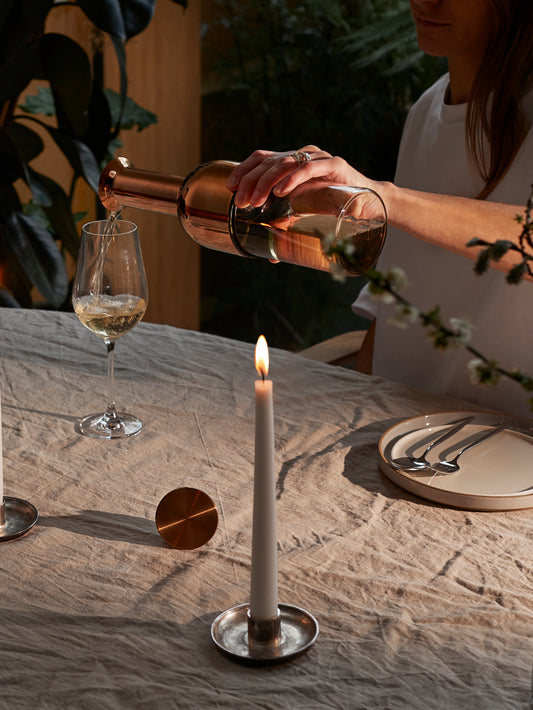
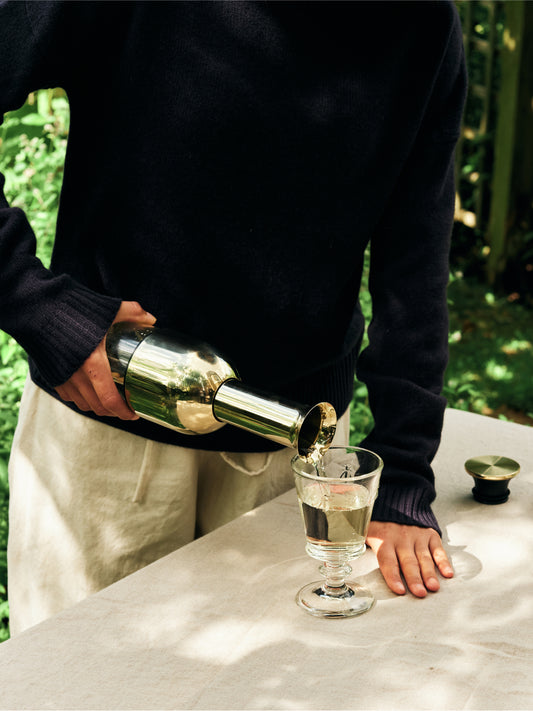
A sealed decanter changes the picture completely. Our patented design separates the wine from the air with an airtight seal, so you can keep wine in the decanter for far longer: still wine tastes just as good for up to two weeks. Read more about how ETO keeps wine fresh.
The key to making opened wine last longer is finding ways to keep oxidation to a minimum. From re-corking the bottle, to storing it in the fridge door, and away from the light, there are plenty of things you can do to help. But these methods only slow the process a little. With an ETO decanter, you can enjoy a glass of wine for up to two weeks after opening your bottle and it taste just as good as the day you opened it.
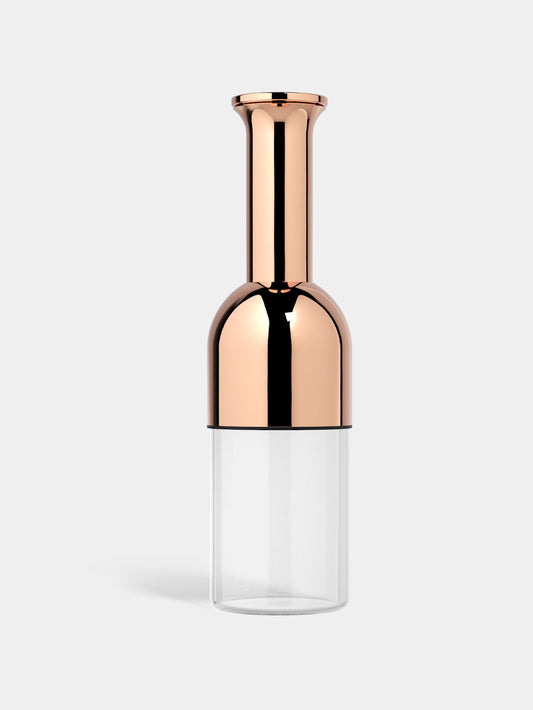
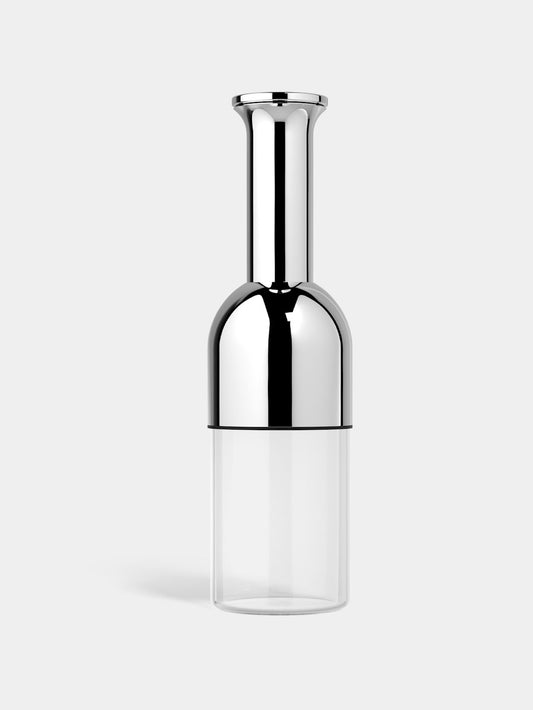
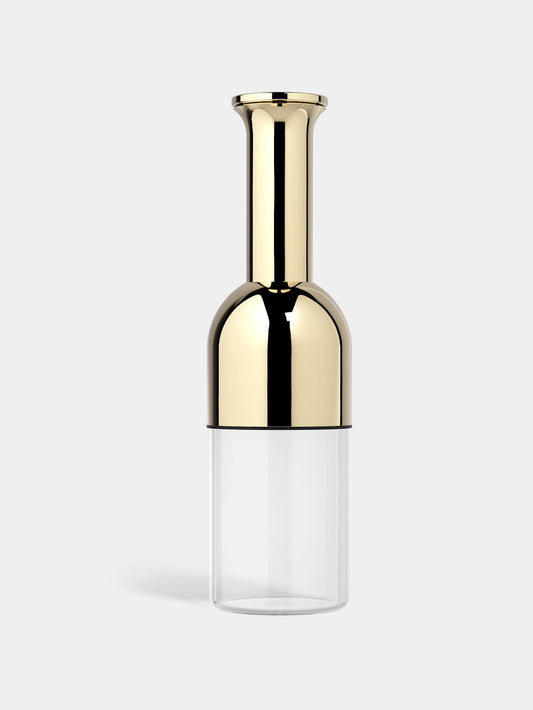
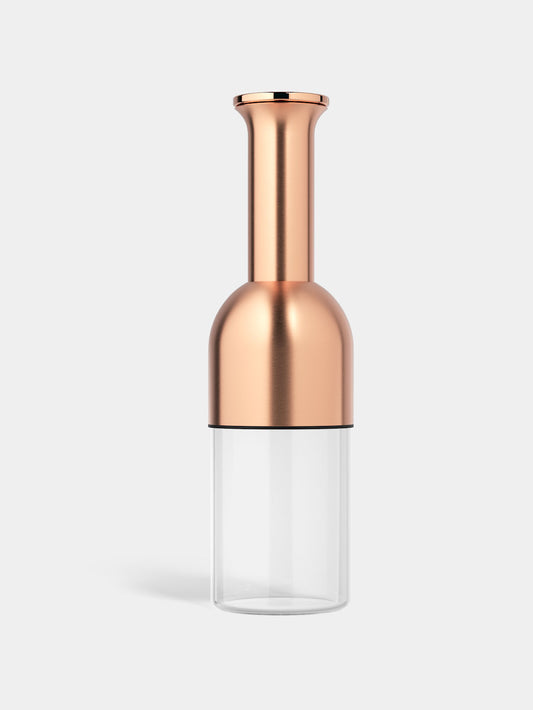
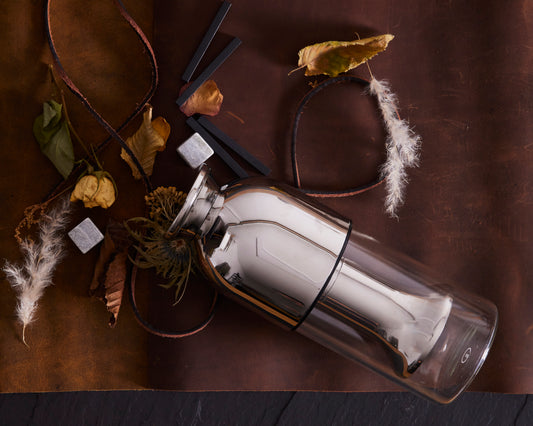
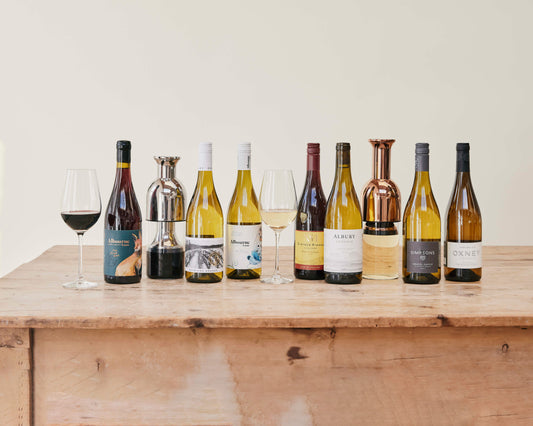
The award-winning preservation system in eto is simple but exceptionally effective. By adeptly targeting the oxidation process, eto protects the wine’s flavour until you’re ready for another glass. Eto is also an elegant wine decanter with six different finishes that complement any table.
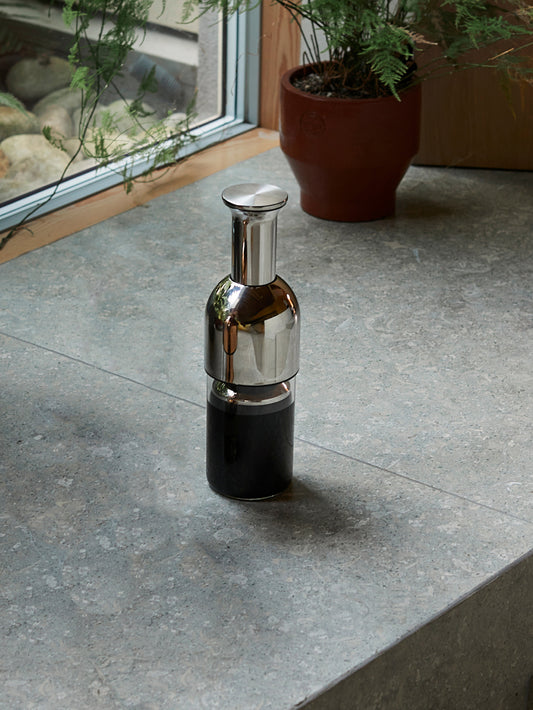
We recommend decanting your wine into eto as soon as you’ve poured your first glass. And when you’ve finished your last, eto is designed to fit perfectly inside your fridge door.
Every home method works by limiting the air that reaches the wine. Re-corking or replacing the screw cap is the simplest, buying you the one to five days above. A vacuum pump draws some air out of the bottle, which adds an extra one to two days. Argon gas systems lay an inert blanket over the wine and work well, but the capsules need replacing.
ETO takes a different route: a patented, airtight seal, with no pumps, no gas and no refills. It holds a Red Dot design award, and in blind tastings with independent experts, Master of Wine Richard Hemming reported that "on the seventh day, there was no perceptible difference between a freshly opened bottle and the ETO-stored sample." It matters, too: in the UK, more than 600 million bottles of wine are poured away every year.
We recommend decanting your wine into ETO as soon as you've poured your first glass. And when you've finished your last, ETO is designed to fit perfectly inside your fridge door.

Usually, yes. Wine that has been open for a week may taste flat, nutty or sharp, but wine that has spoiled is essentially on its way to vinegar, so it's unpleasant rather than harmful. Let your nose decide. If it smells vinegary or simply wrong, it's time to cook with it, or say goodbye.
You can, though it's best saved for cooking rather than drinking. Pour the wine into an ice cube tray and you'll have ready-made portions for sauces, stews and risottos whenever you need a splash. Avoid freezing it in the glass bottle: liquid expands as it freezes, and a full bottle can crack.
Bag-in-box wine lasts two to three weeks in the fridge once opened, because the bag collapses as you pour and keeps air away from the wine inside. It isn't built for the long haul, though. Box wines carry a best-before date, so check the carton and don't keep one open for much more than a few weeks.
Cook with it. A red that's lost its freshness still brings depth to a braise, a ragù or a gravy, and a tired white adds welcome acidity to creamy sauces, fish and risotto. Once a wine has turned properly vinegary, use it as you would vinegar: splashed into a dressing or a marinade.
Let's go back to where we started: the end of the evening, a bottle half-full, and that familiar choice between one more glass and pouring good wine away. You shouldn't have to make it.
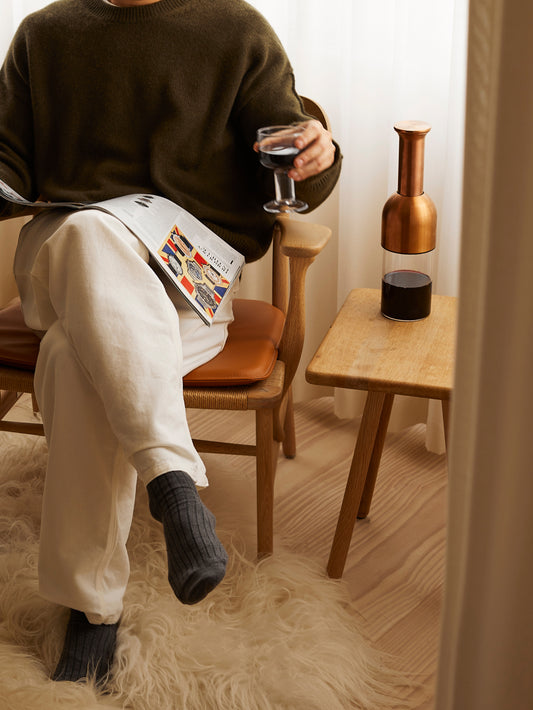
ETO decants an entire bottle and keeps still wine at its best for up to two weeks, so Tuesday's Rioja can wait patiently for Saturday. ETO makes any bottle last longer. Discover the ETO wine decanter, and make the last glass as good as the first.